Product use scene

hvac leak detector

A clearer way to choose hvac leak detector

£362.99View kit — £362.99
Main product view

Selected kit

Refrigerant Leak Detector

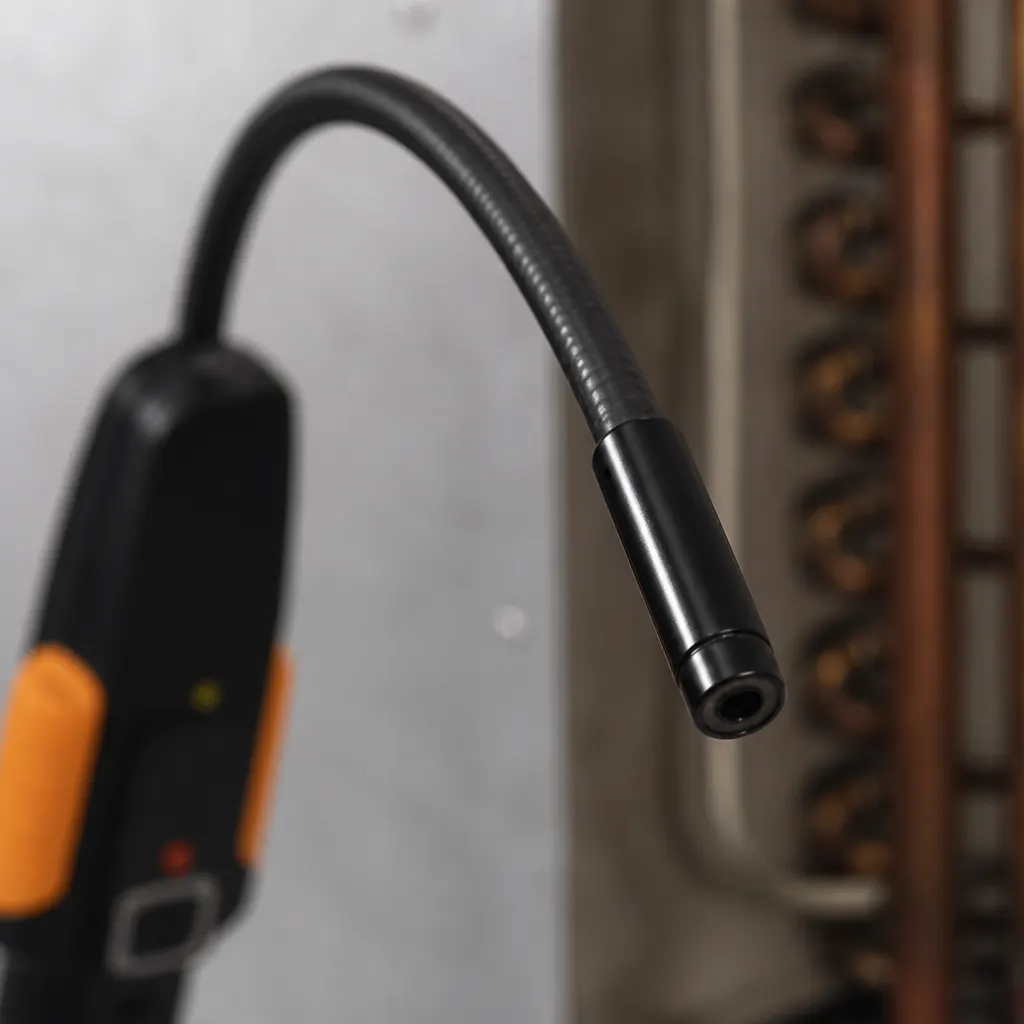
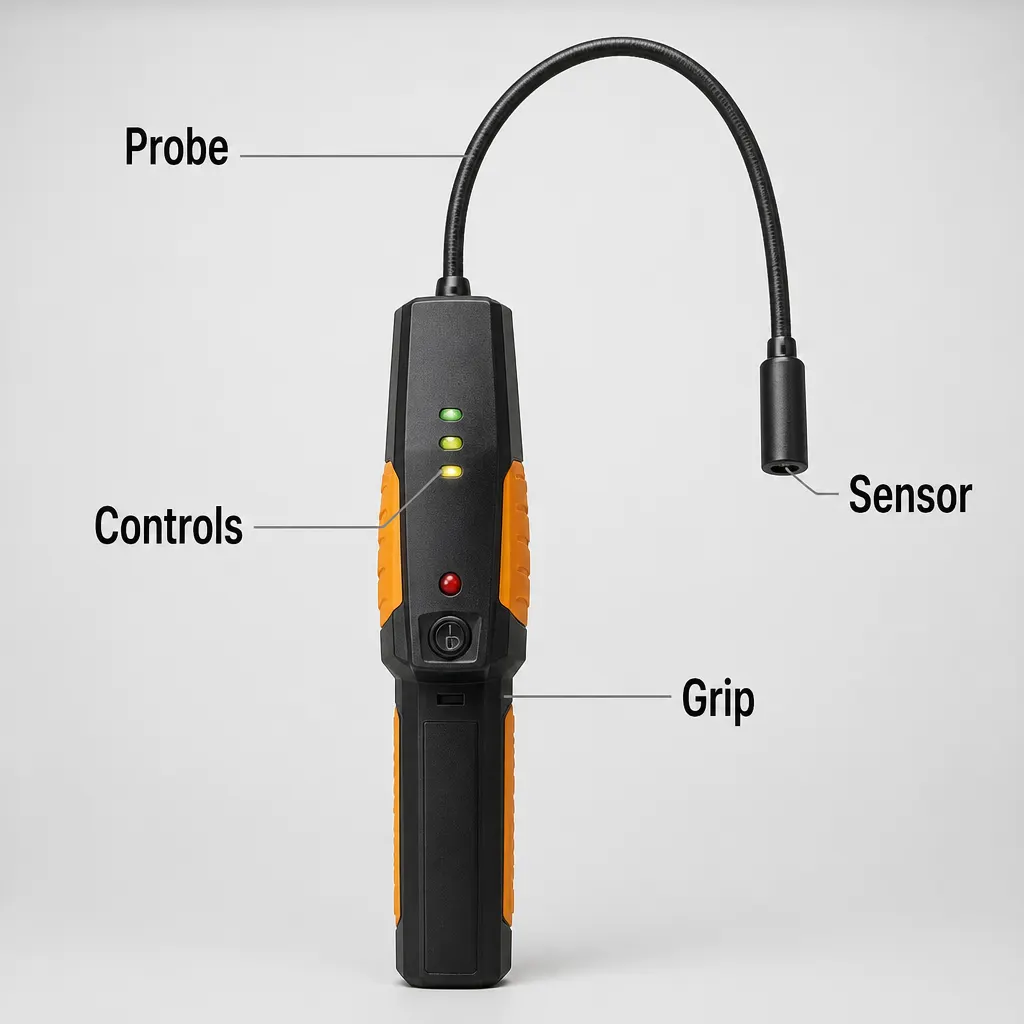
testo 316-3 - Refrigerant Leak Detector. Can detect all common cooling agents: CFCs, HFCs, FCs. Highly sensitive ( < 4 g/a - 1g/a according to DIN EN14624:2012 standard) - can detect even the smallest leaks. Ready for use - there`s no need to select cooling agent characteristics first. Automatic zero setting - can detect leaks in rooms that are already contaminated. Visual and audible alarm which are activated when a leak is detected

£362.99
  • testo 316-3 leak detector SKU selected from the archived offer.
  • listed type field identifies the product as a refrigerant leak detector.
  • listed attribute lists power from two D-size batteries.
View kit — £362.99

The details that matter

What you're actually buying.

Help me locate and narrow down a suspected refrigerant leak efficiently enough to make a repair decision and stand behind my diagnosis with the client.

Product feature overview
01

Refrigerant detection

Detects CFCs, HFCs and FCs.

Close product detail view
02

Stated sensitivity

Sensitivity is listed as less than 4 g/a, and 1 g/a according to DIN EN 14624:2012.

Product accessory view
03

Automatic zero setting

Designed to establish a zero automatically, including in rooms where refrigerant contamination is already present.

Product setup views
04

Visual and audible alarms

Both alarm types activate when a leak is detected.

Guides

Practical guides

Product in everyday use

Refrigerant Leak Detector UK: A Practical Buying and Site-Use Guide

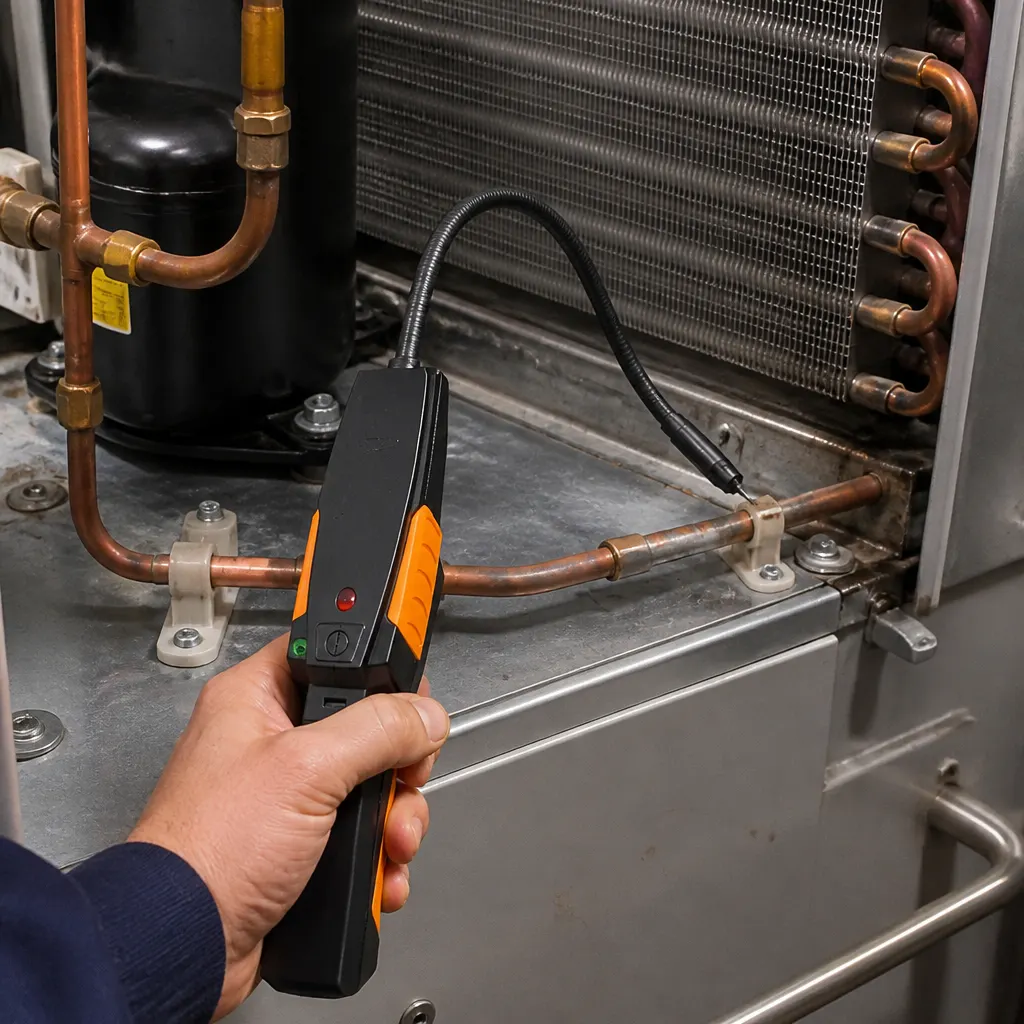
An engineer is tracing a suspected leak around the joints, valves and pipework of a UK cold room, chiller, refrigeration pack, split system or heat pump. The right detector should match the refrigerants encountered, give understandable feedback and fit a methodical search rather than turn one uncertain alarm into hours of guesswork.

Product in everyday use

Electronic Refrigerant Leak Detector for Cold Room Work

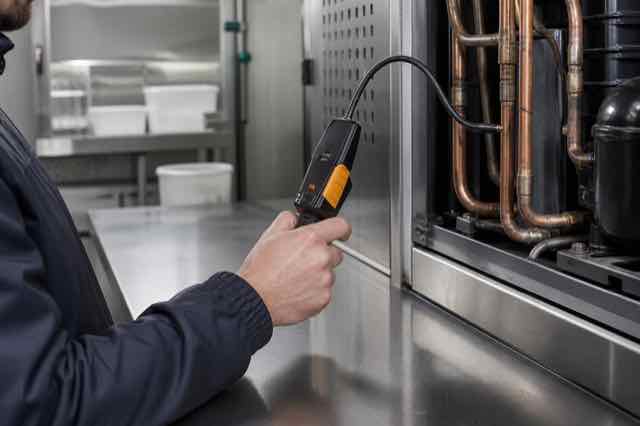
A refrigeration engineer has a limited access window to trace a suspected cold-room leak around joints, valves and vibration-prone pipework. The aim is to narrow the alarm to a credible repair area without losing the visit to uncertain indications.

Browse every guide →

Good to know

Frequently asked questions

What should I check before buying this refrigerant leak detector?

Start with the documented product facts: testo 316-3 leak detector SKU selected from the archived offer.; listed type field identifies the product as a refrigerant leak detector.. Then compare them with your exact setup before ordering.

What should I check if I need to help me locate and narrow down a suspected refrigerant leak efficiently enough to make a repair decision and stand behind my diagnosis with the client?

Use the documented product facts as the boundary: testo 316-3 leak detector SKU selected from the archived offer.; listed type field identifies the product as a refrigerant leak detector.. If your job needs a claim not listed there, treat it as unverified.

Which refrigerants can this refrigerant leak detector detect?

The testo 316-3 is stated to detect CFCs, HFCs and FCs.

Can I use the testo 316-3 in a room where refrigerant is already present?

The detector has automatic zero setting and is described as able to detect leaks in rooms that are already contaminated.

How does the detector indicate that it has found a leak?

Visual and audible alarms activate when a leak is detected.

Do I need to select the refrigerant type before starting?

No. The testo 316-3 is described as ready for use without selecting refrigerant characteristics first.

What batteries does the testo 316-3 use?

It is powered by two D-size batteries.

How long do delivery and returns take?

Orders are processed in 1–3 business days, followed by delivery in 2–4 business days after dispatch. Free standard UK delivery is included, and the return window is 30 days.

Ready when you are

refrigerant leak detector